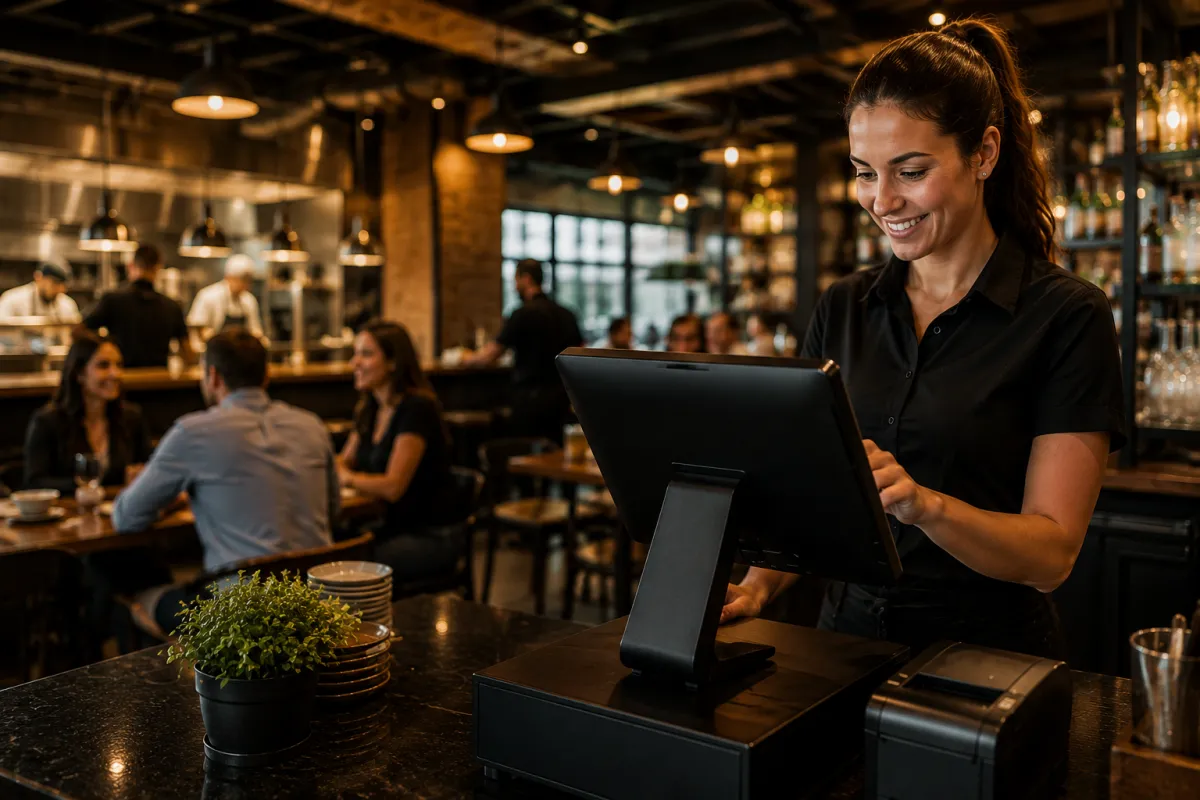
Don't Buy a Restaurant POS Until It Has These 7 Features
Buying a restaurant POS system is one of the most important investments you'll make for your business. The right system doesn't just process payments it helps you run a faster, more profitable restaurant.
Unfortunately, many restaurant owners discover too late that their POS lacks the tools needed to manage inventory, monitor employee performance, reduce processing costs, or keep service running smoothly during busy shifts.
Before you commit to any restaurant POS system, make sure it includes these seven essential features.
1. Real-Time Reporting
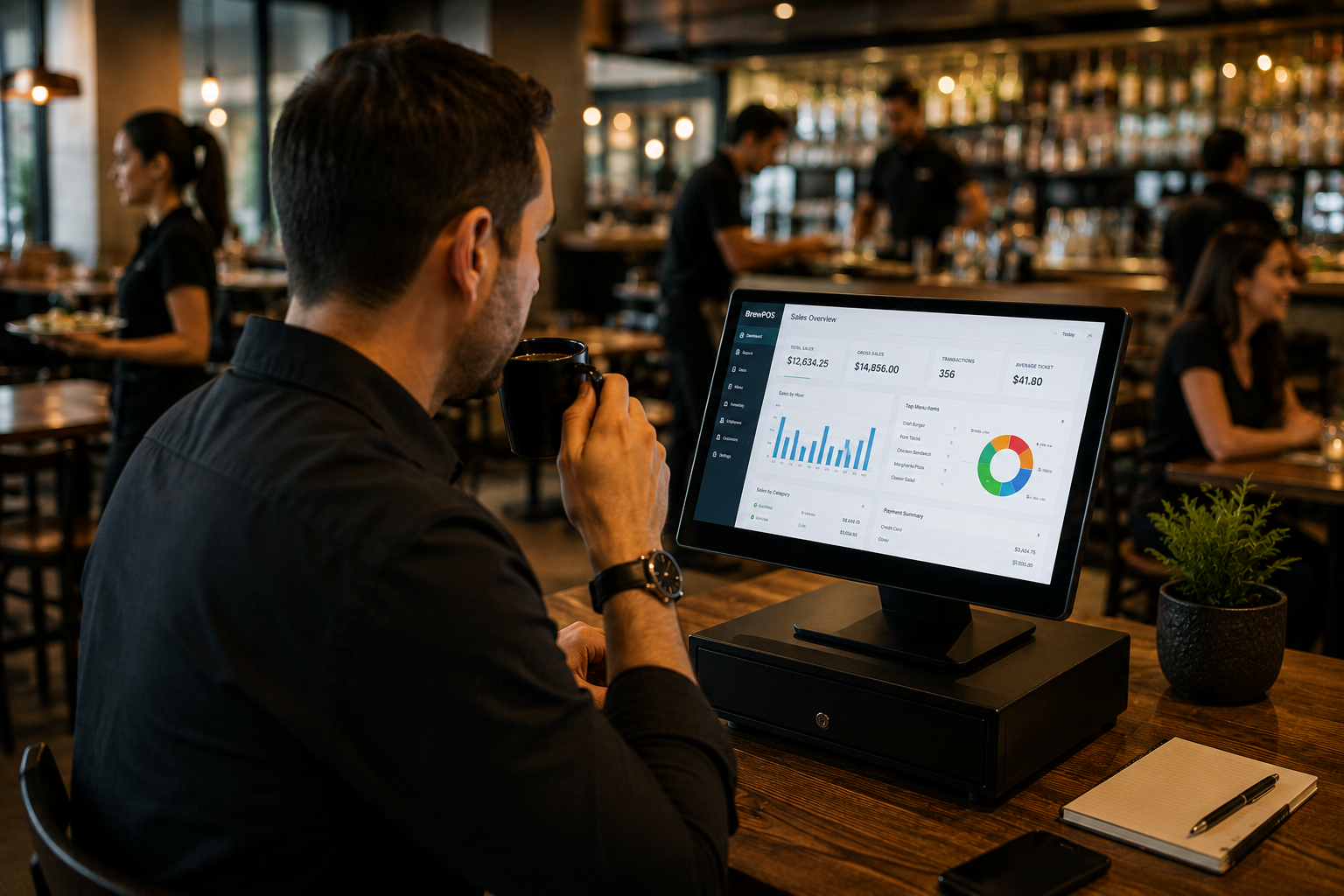
Successful restaurant owners don't wait until the end of the week to understand how their business is performing.
A modern POS should provide real-time insights into:
Total sales
Hourly revenue
Best-selling menu items
Average ticket size
Peak business hours
Sales trends
Having this information available instantly allows owners and managers to make smarter decisions throughout the day instead of reacting after problems occur.
2. Inventory Management That Helps Reduce Waste
Food waste and inventory shortages directly affect profitability.
Your POS system should make inventory management easier by helping you monitor stock levels and understand which products move the fastest.
Effective inventory tools can help restaurants:
Reduce waste
Avoid running out of popular items
Improve purchasing decisions
Better understand food costs
Track inventory more accurately
The more visibility you have into your inventory, the easier it becomes to protect your margins.
3. Fast, Secure Payment Processing
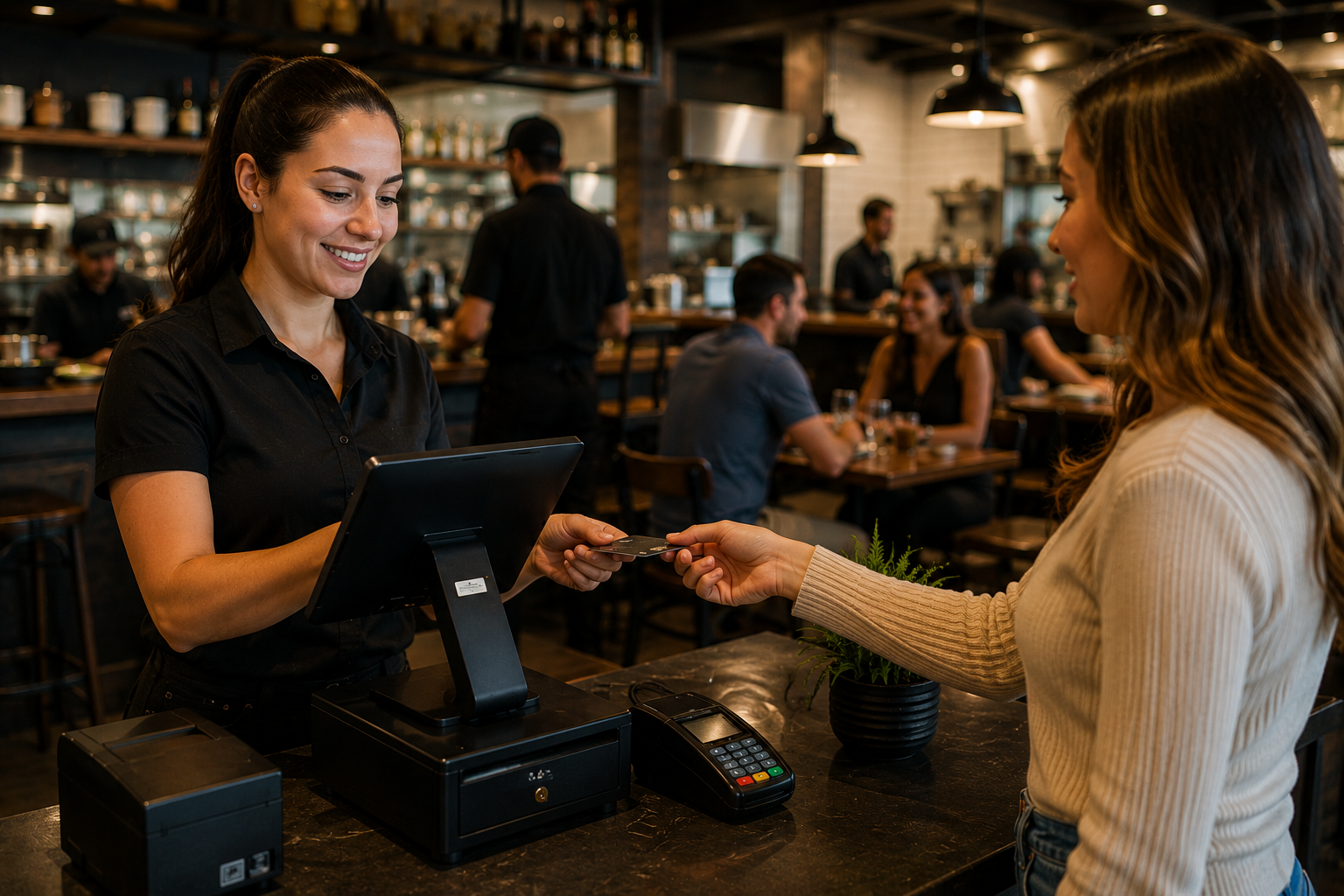
Customers expect checkout to be quick.
Long lines or slow payment processing create a poor final impression and reduce table turnover during busy service.
Your restaurant POS should support:
EMV chip cards
Contactless payments
Mobile wallets
Split payments
Digital receipts
Fast payment processing improves both customer satisfaction and operational efficiency.
4. Dual Pricing That Helps Offset Credit Card Processing Fees
Credit card processing fees continue to impact restaurant profits.
A POS system that supports dual pricing gives restaurant owners another way to manage these costs while maintaining transparent pricing for customers.
Instead of absorbing every processing fee, restaurants can implement pricing strategies that help protect their profit margins without adding operational complexity.
When evaluating a POS system, ask whether dual pricing is built into the platform rather than requiring third-party workarounds.
5. Employee Management and Security Controls
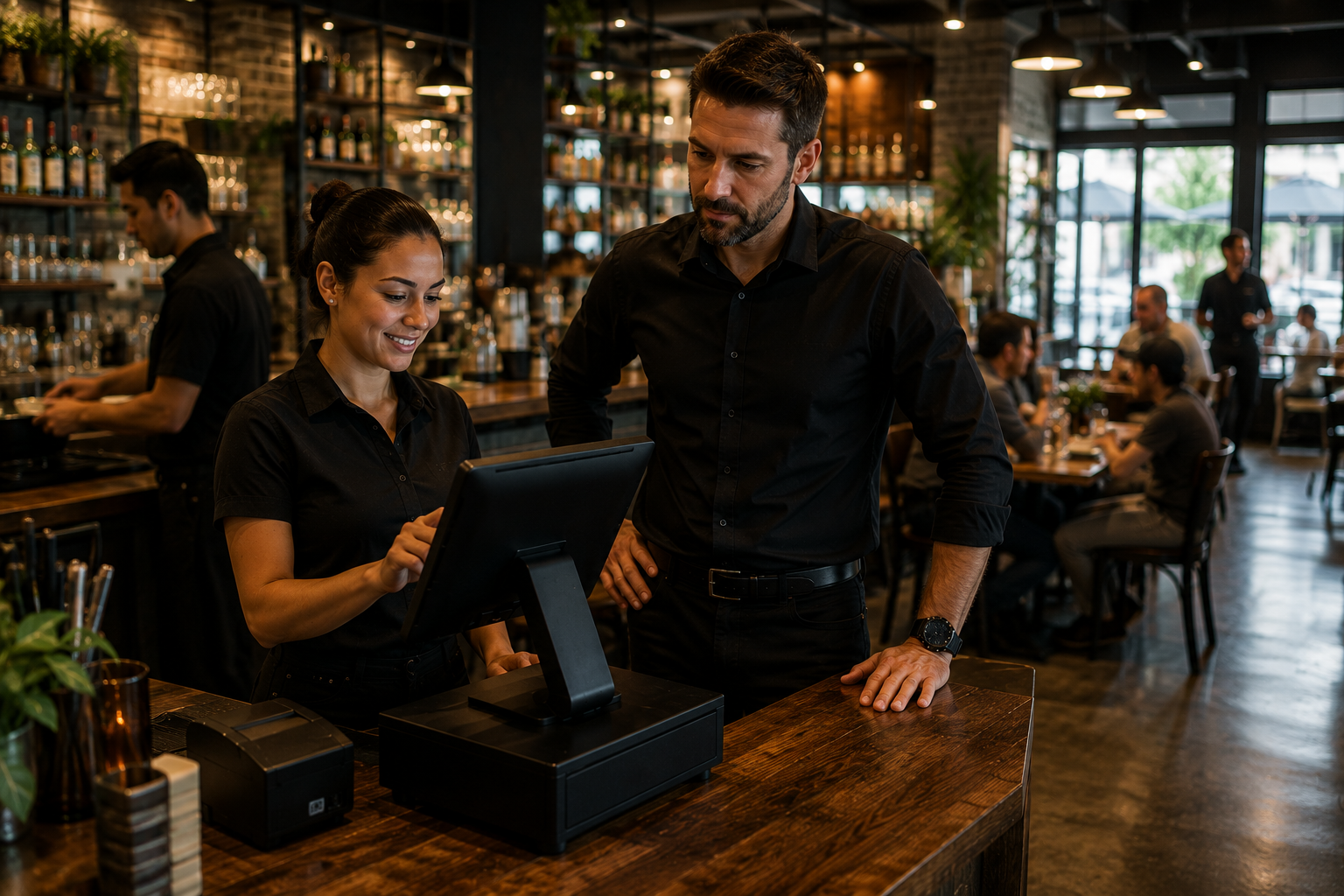
A restaurant POS should help you manage your team just as effectively as it manages sales.
Look for features such as:
Employee permissions
Secure manager overrides
Time clock functionality
Individual sales tracking
Activity reporting
These tools improve accountability while reducing mistakes and unauthorized transactions.
6. Cloud-Based Access From Anywhere
Restaurant owners aren't always on-site.
Whether you're managing one location or several, cloud access allows you to check sales reports, monitor performance, and stay informed from virtually anywhere.
Cloud-based reporting provides greater flexibility without requiring you to be inside the restaurant every day.
7. Restaurant Hardware Built for Busy Service
Software is only part of the equation.
Reliable hardware is equally important.
A restaurant POS should include durable hardware designed specifically for hospitality environments, including:
Touchscreen POS terminals
Receipt printers
Cash drawers
Customer payment devices
Kitchen printers
Reliable hardware helps reduce downtime and keeps service moving during your busiest hours.
Why BrewPOS Includes the Features Restaurant Owners Actually Need

Choosing a POS system isn't just about today's needs it's about supporting your restaurant as it grows.
BrewPOS combines the tools restaurant owners rely on every day into one complete platform, including:
Real-time reporting
Inventory management
Secure payment processing
Dual pricing support
Employee management
Cloud-based reporting
Restaurant-grade hardware
Instead of juggling multiple systems, restaurant owners can manage daily operations through one reliable solution designed specifically for the hospitality industry.
Frequently Asked Questions
What features should every restaurant POS system have?
Every restaurant POS should include real-time reporting, inventory management, secure payment processing, employee management, cloud access, durable hardware, and tools that help reduce operating costs.
Why is dual pricing important for restaurants?
Dual pricing gives restaurants a way to help offset rising credit card processing fees, protecting profit margins while keeping pricing transparent.
Is cloud-based reporting necessary?
Cloud-based reporting allows owners to monitor sales and business performance remotely, making it easier to stay informed without being in the restaurant.
Does the POS hardware matter?
Yes. Durable, restaurant-grade hardware minimizes downtime, improves reliability during busy service, and helps staff work more efficiently.
Final Thoughts
The right restaurant POS system should do much more than process transactions. It should help you understand your business, improve efficiency, control costs, and deliver a better experience for both your staff and your customers.
Before making your next POS investment, make sure the system includes the seven essential features discussed above. Choosing a platform built for the realities of restaurant operations can save time, reduce expenses, and support long-term growth.
Ready to See BrewPOS in Action?
Discover how BrewPOS helps restaurants streamline operations, reduce payment processing costs, improve inventory management, and serve customers more efficiently.
Schedule a personalized BrewPOS demo today.
